the corps
The
Royal Signals
Fast moving and game changing, the Royal Signals are leaders in IT, Cyber and Telecommunications, providing battle winning communications to every part of the Army and the Joint Force.


The Corps
About Us
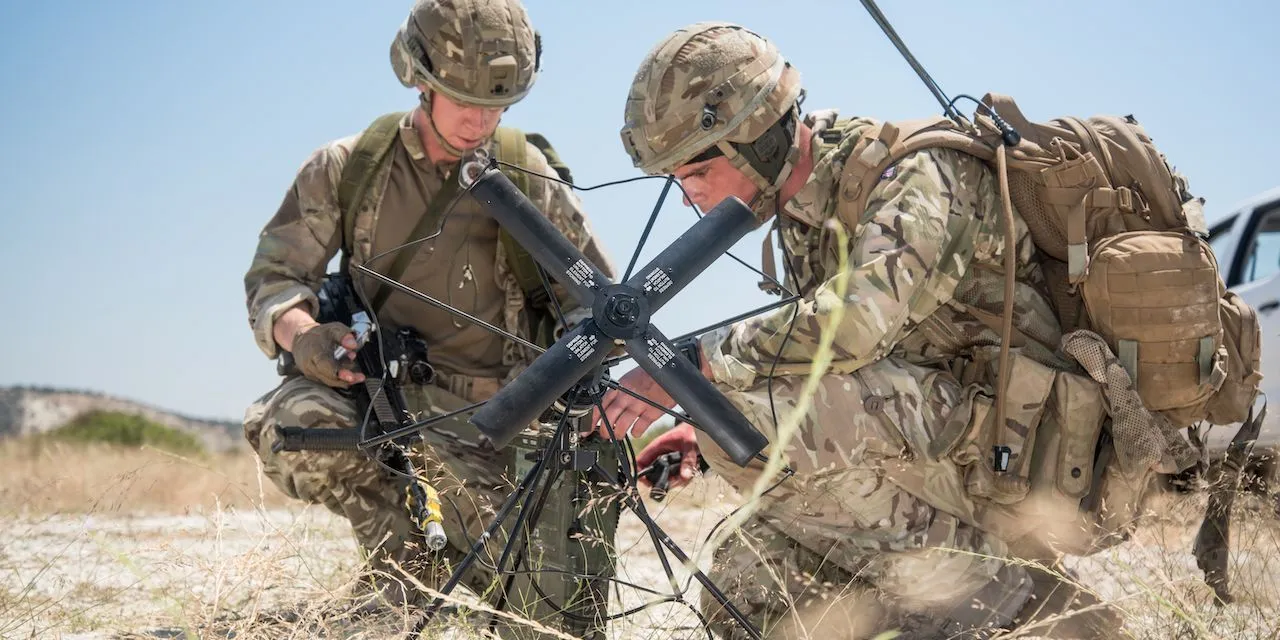
Royal Signals units provide the digital backbone for the British Army, wherever it operates in the world. They have deployed on every operation the Army has been involved in - at home and overseas - with special forces and intelligence gathering teams, or with soldiers serving in armoured formations, the Royals Signals are always deployed alongside.
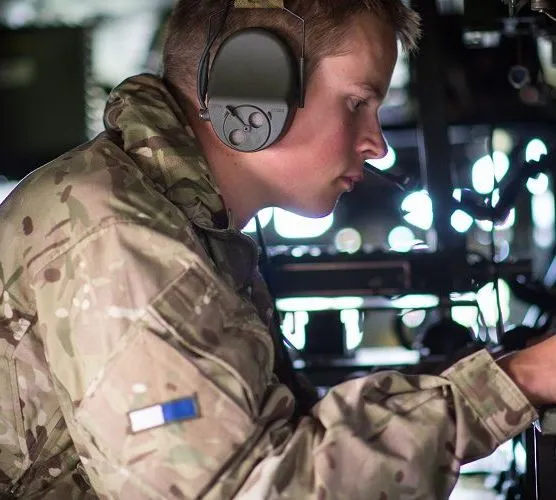
All Royal Signals soldiers and officers are trained to become experts in engineering and operating communication systems, networks, power plants and delivering cyber techniques; providing reliable, secure communications that are a vital necessity in any conflict or humanitarian mission.
Roles in the Royal Signals
Royal signals- regular
Fast moving and game changing, the Royal Signals are leaders in IT, cyber and telecommunications, providing battle winning communications to every part of the Army.
The Royal Signals are at the forefront of everything that the Army does, in conflict and in peace. Whether fighting to set up computer and radio networks under fire or enabling communications for humanitarian missions, our soldiers are dynamic, and able to use their initiative to meet any challenge.
Royal Signals soldiers are based in Glasgow, Bulford, Milton Keynes, Beaconsfield, Haverfordwest, Bristol, Corsham, Colchester, Blandford Forum, London and Colchester.
Royal signals- reserve
The Army Reserve is the British Army's reserve force - and used to be known as the Territorial Army or TA. When you join the Army Reserve, you'll get involved in everything that the Regular Royal Signals does - from operating in the UK to deployment overseas.
You'll be given the opportunity to learn skills in IT and Telecommunications, and can take advantage of the opportunities that Regular soldiers have too - like adventurous training and sport. You'll be paid for the time you serve. The difference is that Reservists are not full-time soldiers. Many Reservists have a day job.
Royal Signals soldiers are based in: Aberdeen, Bath, Belfast, Bexleyheath, Birmingham, Bristol, Cardiff, Chelmsford, City of London, Colchester, Corsham, Coulsdon, Coventry, Dundee, East Kilbride, Edinburgh, Glasgow, Gloucester, Leeds, Liverpool, Manchester, Nottingham, Redditch, Sheffield, Uxbridge, Whipps Cross, Windsor, York.
Royal signals- army cadet force
The Army Cadet Force aims to inspire young people between 12 and 18 years old to challenge their limits, grow their abilities and go further in life. Within the Army Cadet Force, their are a number of community-based detachments that are affiliated to the Royal Signals.
The Cadet Force develops young people of all abilities and backgrounds physically and mentally, improving self-confidence, teamwork, friendship, leadership and community spirit through a wide range of fun and exciting activities as well as recognised vocational qualifications such as the Duke of Edinburgh Award Scheme and BTEC Diplomas.
With 41,000 cadets and 9,500 adult volunteers in 1,700 locations across the UK, there is no shortage of opportunities to get involved as a Cadet or as an Instructor. Although the Army Cadets Force is not part of the recruiting process for the Armed Forces it does help promote an understanding of what the Armed Forces' roles and responsibilities are, and provides assistance to any cadet who expresses an interest in joining the Armed Forces later in life.
rejoining the royal signals
the rejoin offer
The re-employment of ex-Regular and ex-Reserve personnel with previous military experience. It applies to all trained ex-Regular and Reserve personnel, including those who left through redundancy. The Army’s offer to the applicant will depend on a variety of factors: previous service; length of time since prior Service; whether the applicant is joining their previous trade; any advantageous KSE gained during civilian employment; and the workforce requirement situation at the time will all be considered. These factors will also determine training requirement.
The opportunity to rejoin the Army is not an automatic entitlement and will be determined primarily by the needs of the Service. Eligibility for re-entry will be assessed, and is subject to a range of considerations, including but not limited to the length of time since discharge, the individual’s age, the circumstances of their discharge, and current workforce requirements. Ex-Regular soldiers rejoining the Regular Army must be enlisted before their 57th birthday.
Royal signals- soldiers
Rejoin Categories. Personnel are considered eligible to rejoin the Regular Army if they meet the criteria and pass checks.
Rejoiners will fall into the following categories:
Category A
A Trade trained ex-Regular soldier who left full-time Regular service within the last 10 years who wishes to rejoin the same trade that they left and is under 40 years of age.
Caveat for legacy (pre-Apr 2020) R SIGNALS trades; a bespoke training solution may be necessary to upskill rejoiners to the new post-Apr 2020 R SIGNALS trades taking into account all previous ph3 military trade training and any civilian qualifications and experience gained since leaving the Corps.
Category B
A Basic trained ex-Regular soldier who left full-time Regular service within the last 10 years and are rejoining a trade where ITT would be required Cat B applicants can only be considered for re-trading if under the Ab Initio upper age limit.
Category C
Any applicant who does not fit into Cat A or B, applicants will be considered on a case-by-case basis.
The National Recruitment Centre (NRC) is responsible for conducting the checks to confirm that an applicant is eligible to rejoin before onward movement of an individual’s application.
Medical Employment Standards
Personnel with previous service are subject to medical standards which are the same standard as that required for retention in service. There will be a medical assessment process.
Royal signals- Officers
Eligibility
Applications for reinstatement are open to ex-officers who continue to hold a commission and have not resigned when required or been dismissed from the Service for disciplinary reasons.
DE Officers
Applications from former DE officers will be considered provided:
• They are under the age of 57 at the point of joining their unit.
• They have been out of Regular service for less than 6 years.
• They are applying for an Arm or Service where vacancies exist and for which they are qualified. Early structural advice must be obtained from the relevant E1 Workforce Planners in Strategic WF Plans (SWP). Pers Pol Prof Dev can advise on relevance and currency of qualifications/training.
• They have obtained two annual reports (ARs) at regimental duty covering a period of not less than 2 years. Exceptions to this requirement may be approved by the AEB.
• They meeting the medical eligibility criteria and undergoing the required assessments for reinstatement.
LE officers
There may be a workforce requirement to reinstate former LE officers who retired before the normal age for retirement. Those who resigned their commission when called upon to do so, or left the Active List due to disciplinary reasons, are not eligible for reinstatement. The following requirements will normally have to be met for reinstatement of LE Officers to be approved:
• The applicant meets the medical eligibility criteria and undergoes the required assessments for reinstatement.
• Candidates must have a specialist or highly sought after skill.
• Candidates can complete a minimum of 3 years’ service before reaching the age of 60 years and a vacancy exists in a role for which they are qualified. Exception granted for officers who resigned their commission in order to enter soldier service for SF selection.
Rejoin Categories
The following table give details of Rejoin categories to be applied to Officer Rejoiners:
• An ex-Regular Officer who left full-time Regular service within the last 6 years who wishes to rejoin the same cap badge that they left and is under 40 years of age.
• An ex-Regular Officer who left full-time Regular service within the last 6 years and is over the age of 40.
• An ex-Regular Officer who left full-time regular service between 6 and 10 years ago or a former officer of the RN or RAF or from Australia, New Zealand, or Canada. Applicants will be considered on a case-by-case basis.
Application procedure
Applications for reinstatement are to be made online to the NRC through the Army Jobs website. In the first instance the candidate is to seek advice from the Career Manager of the specific cap badge or branch they are seeking reinstatement in as to whether there are available vacancies. Once confirmation of a vacancy has been obtained the application may progress.
The Corps
What is the one day’s pay scheme?
Established in 1964, the One Day’s Pay Scheme is a long-standing pan-Government initiative which allows members of the Armed Forces to support their Corps' benevolent funds.
Through this scheme, individuals make a voluntary charitable contribution (the actual amount of which depends on your rank and capbadge) which is taken from your pay ‘at source’ (i.e. before tax) in monthly instalments. If you do not wish to contribute you can opt-out of the scheme at any time. These contributions play a vital role in providing morale and welfare funding to serving and retired members of the Corps which are aimed at enhancing the ‘lived experience’ and which reinforce the spirit of camaraderie and care across the R SIGNALS family.

The Corps
The spirit of adventure
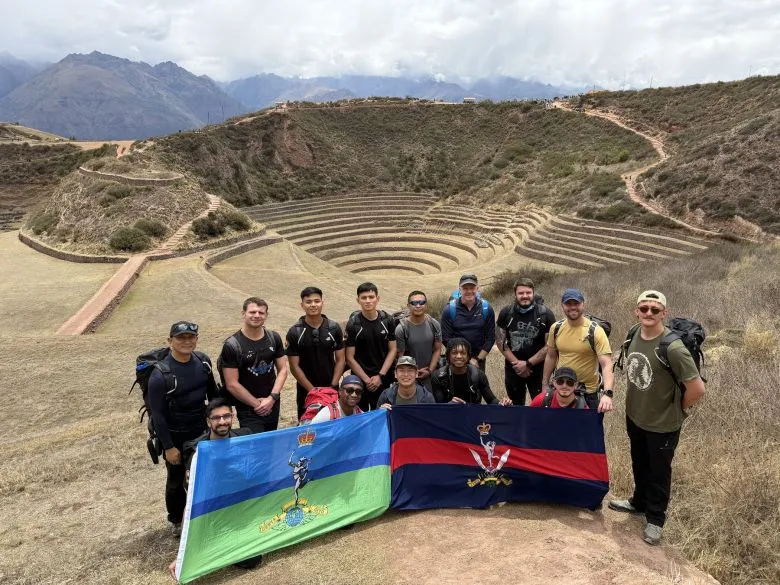
Adventurous Training develops teamwork, leadership, and resilience by placing personnel in challenging and often unfamiliar environments. It provides opportunities to strengthen team cohesion, build confidence, and enhance problem-solving skills, while also offering an enjoyable and rewarding experience. Participation in Adventurous Training also contributes to improving physical fitness and mental robustness, both of which are essential attributes for effective soldiering.
Eligibility Criteria:
To be eligible for Royal Signals Adventurous Training funding, all Royal Signals personnel listed on the nominal roll must contribute to the One Day's Pay Scheme.
Eligible expeditions and exercises must be classified as Type 3 activities, in accordance with AGAI Volume 1, Chapter 11, Paragraph 11.011. The Corps supports a set number of applications each calendar year. Major Units: up to four applications, Independent Squadrons: up to two applications, Individuals: one application. A standard grant of up to £80 per person is available. Additional funding may be considered for activities that are particularly demanding, unique or offer significant developmental value. Each application is assessed individually by CO 21 Sig Regt, who oversees the AT grant on behalf of Chair Sports Club and Corps Adventurous Training.
Any Questions?
If you have any questions or are seeking advice then please get in touch with the EO Officer Recruiting HQ Royal Signals:
Email: officerrecruiting@royalsignals.org
What is not classed as Adventurous Training?
Cultural visits, are not funded. However there is nothing to stop an Adventurous Training Expedition including them in an exercise. Any such visits, including any entrance fees must be self-funded.
Skiing and cycling are a particular grey area for Adventurous Training. If there is any competition or racing involved it is not considered to be AT.
Snowboarding is not considered a form of Adventurous Training.
sports
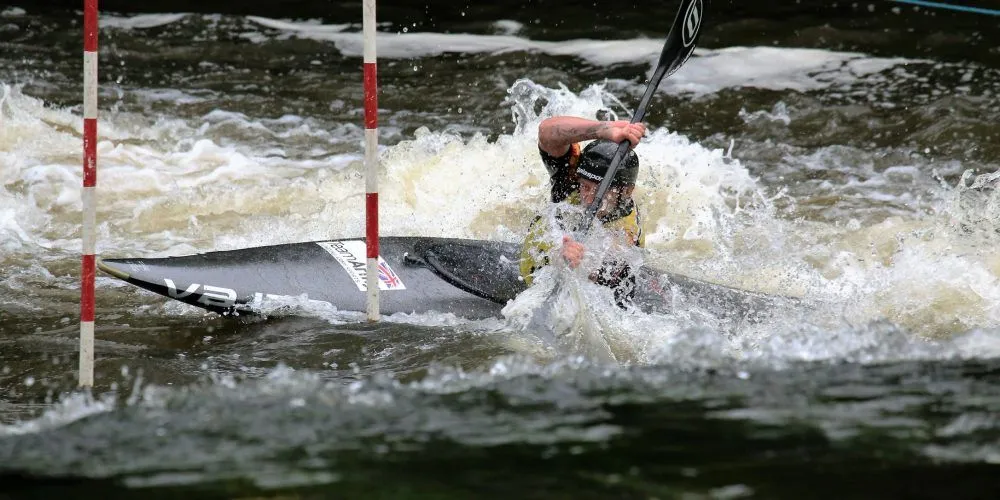
From squash to mountain biking and powerlifting, the Royal Signals offer a wide range of sporting activities with the chance to compete at every level and all around the world. Sport is a fundamental part of Royal Signals life as it enhances the physical and mental wellbeing of our Corps, whilst promoting self-discipline, teamwork, and a sense of belonging.
You will be supported every step of the way to help fulfil your potential - whether that’s playing recreationally or representing your country at an elite level. With over 35 sports to choose from, there are many opportunities for our signallers to find an activity that provides them with stimulation and satisfaction away from their operational responsibilities.



The Corps
History of the royal signals
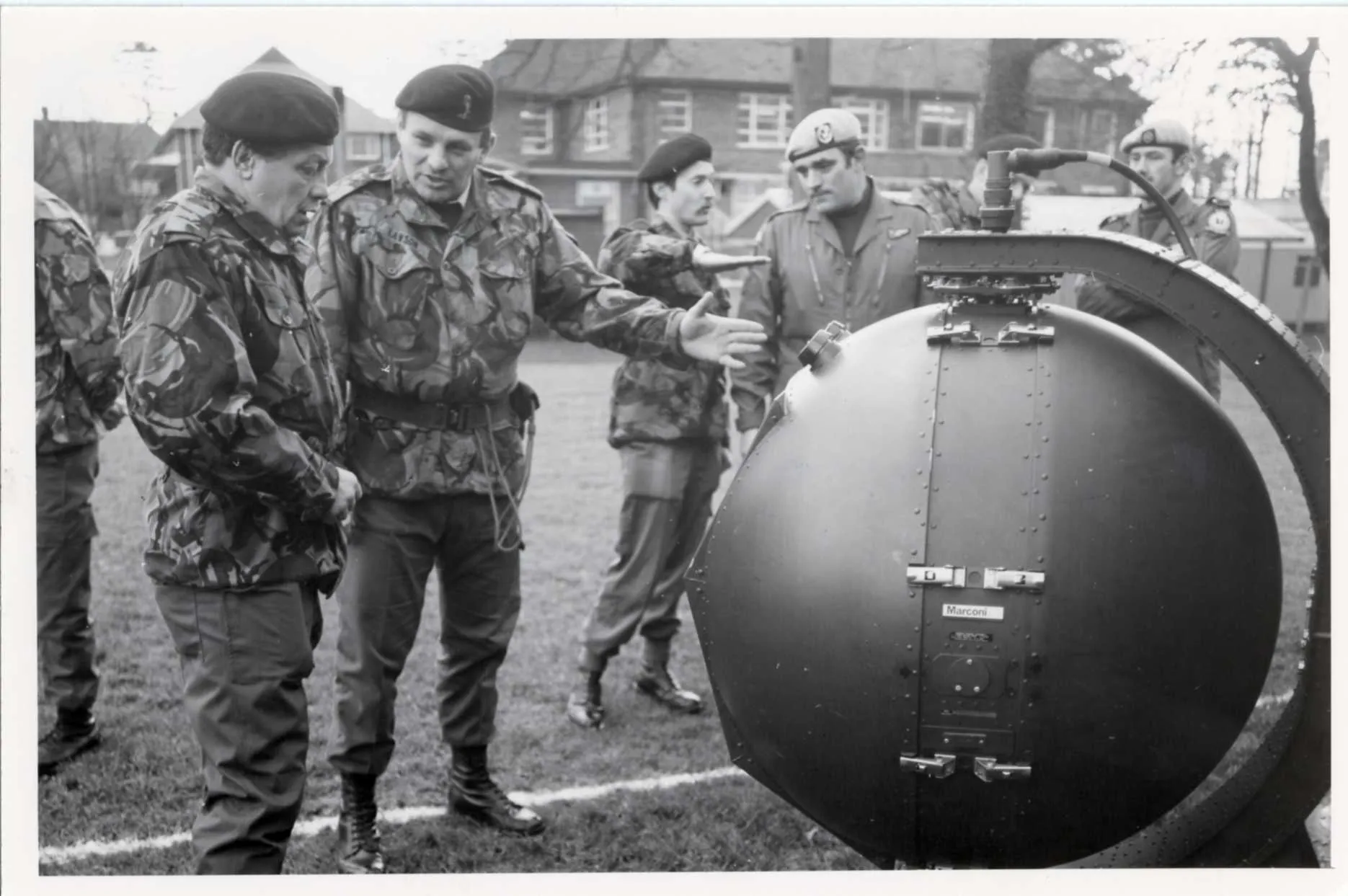
The Royal Signals Museum, telling the exciting story of military communications and information from the Crimean War to the present day; from semaphore to cyber.
Frequently Asked Questions
We are unable to help with enquiries relating to Service Records, Pensions or Medals, but the information below will take you to the official sites. This will provide the information you are seeking.
Where can i find out about military service records
where can i find out about military pensions?
how do i get a veterans badge?
how do i apply for a veterans rail card?
how do i find out about missing medals?
how do i find out about veteran support?
how do i upload an article for the wire or the journal?
how do i enter the royal corps of signals photo competition?
how do i share the news of the passing of a retired member of the corps?
if i am donating to the rSC, where can i find out about gift aid?
how do i join the rSA?
how do i make contact with an rSA branch or Affiliation?
withdrawal of consent to use your photograph and information
withdrawal of consent to hold personal information