When I found out that I had finally secured a ballot place for the London Marathon after more than 10 years of trying, I was genuinely thrilled. That excitement quickly came with a real sense of fear as well, because getting a place is one thing, but actually training your body to cover 26.2 miles is something else entirely. I think a lot of people underestimate just how far a marathon is and the toll it can take on the body.
I have completed half marathons before and a couple of events over 20 miles, so I had some idea of what I was taking on. Unfortunately, not long into the training block, I was hit by a car while out running in September. That stopped everything. I then had to undergo shoulder reconstruction surgery and was unable to restart training properly until January. By that point, it really did feel like I was starting again from close to zero.
The biggest thing I have noticed since getting back into training is how quickly some fitness does return, but also how much conditioning you lose when you are forced to stop. Rebuilding that base has been one of the hardest parts. I also had to deal with the weight gain that came from being inactive during that period, and the extra strain that puts, on the body and joints when you start running again.
I have definitely become more aware of how important recovery is. I now aim for at least eight hours of sleep a night, which sometimes means going to bed embarrassingly early, and I have found myself taking afternoon naps after longer runs as well. I am sleeping more deeply, but I am also more tired overall, especially when the training load builds. Recovery has become a much bigger part of the process for me, whether that is through stretching properly, using massage guns, foam rollers and massage balls, or taking recovery nutrition seriously straight after a run.
Diet-wise, I have become much more deliberate about fuelling. In the lead-up to bigger efforts like the Reading Half Marathon, I made a conscious effort to slightly increase both my carbohydrate and protein intake and to pay more attention to hydration and electrolytes. As a heavier runner, I know I am on my feet longer than many others, so getting race nutrition right is really important for me. I have practised using gels, fluids and salts in training so that I know what works for me and what I will need on marathon day. Day to day, I try to keep a balanced diet anyway, focusing more on whole foods, complex carbohydrates, meat and fresh fish, while keeping treats like chocolate as exactly that - a treat. I also gave up alcohol for Dry January and then continued through Lent, and that has definitely helped with recovery and performance. That said, I am very much looking forward to a beer after the marathon.
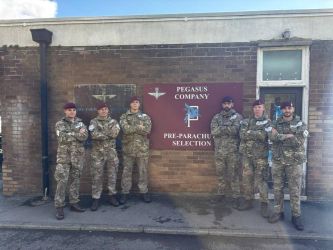
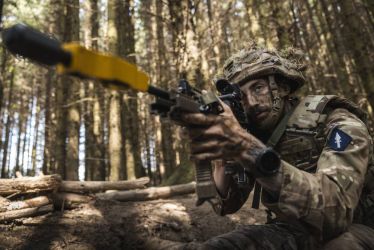
My running has improved steadily, but the biggest benefit has probably been mental as much as physical. I would not naturally describe myself as someone who loves long-distance running, but I have learned to use those longer runs as a form of thinking time. They have become a chance to clear my head, work through things, and mentally reset. That has been hugely valuable. Training has not been easy to balance alongside my civilian role, Army Reserve commitments and family life, and there have been times where I have had to take leave from work just to fit in the longer runs, but I have stayed motivated because I know why I am doing it.
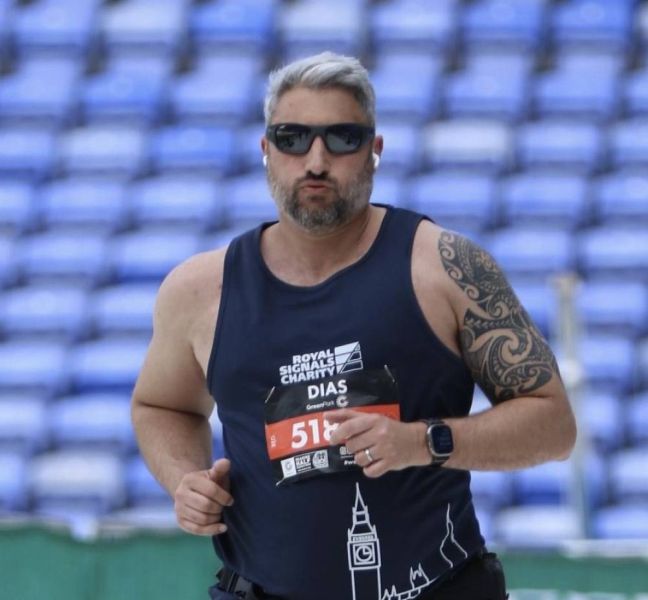
A big part of that motivation has been running for the Royal Signals Charity. The support the charity gives to serving soldiers, veterans and families means a great deal, and that has kept me going on the harder days. Even when the miles start to bite, that reason sits in the back of my mind and helps me push on.
The Reading Half Marathon was a big milestone for me. I ran it with my younger brother for his first half marathon, and for me it was a really useful confidence boost. I treated it as a training run and came away feeling comfortable, happy with my pacing, and much clearer on my nutrition plan for London. It gave me confidence that, despite the setbacks, I am moving in the right direction.
The injury is still something I have to manage. I still get discomfort in my hip from the accident, and as the miles build, I can also feel my shoulder more, especially once I get beyond 14 miles or spend a long time on my feet. To help manage that, I have invested in more cushioned running shoes to reduce the impact through my joints, and I rotate between two pairs to help with both comfort and recovery. Alongside that, I make sure I warm up properly with dynamic movements such as leg swings, and I put real effort into post-run recovery as well. It has not been a perfect training block, but it has taught me a lot about resilience, patience and listening to my body.
Overall, marathon training has made me fitter, sharper mentally, more disciplined in how I approach food and recovery, and more appreciative of what the body can do when you stick with it. It has also reminded me that progress is not always straightforward, especially after injury, but that consistency and purpose can carry you a long way.
After more than ten years waiting for a ballot place, a car accident, and months of rebuilding from scratch - London is finally almost here. If you'd like to be a part of my journey, please consider donating to my Just Giving page.