Today the Royal Corps of Signals celebrates International Women in Engineering Day. We spoke to some of the women about their life in the Corps.
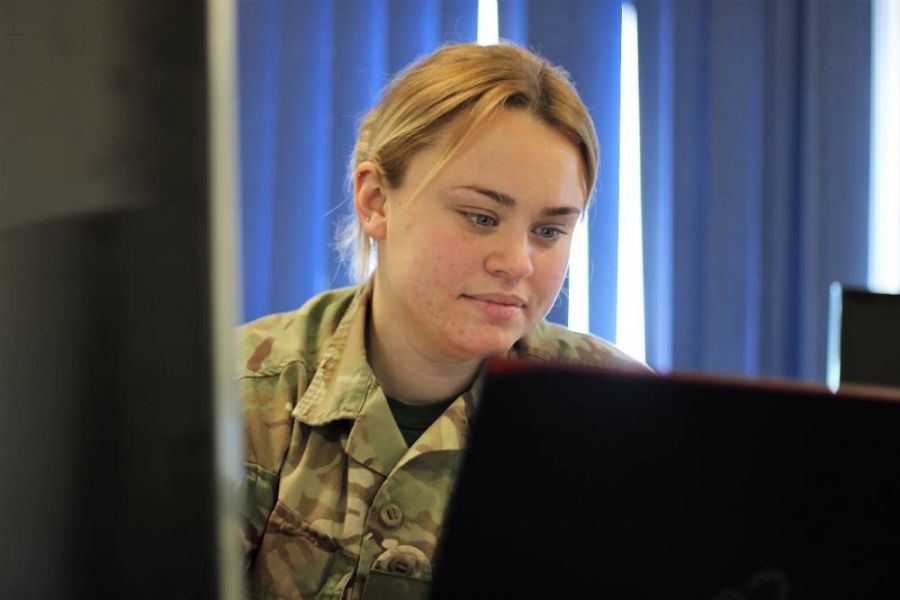
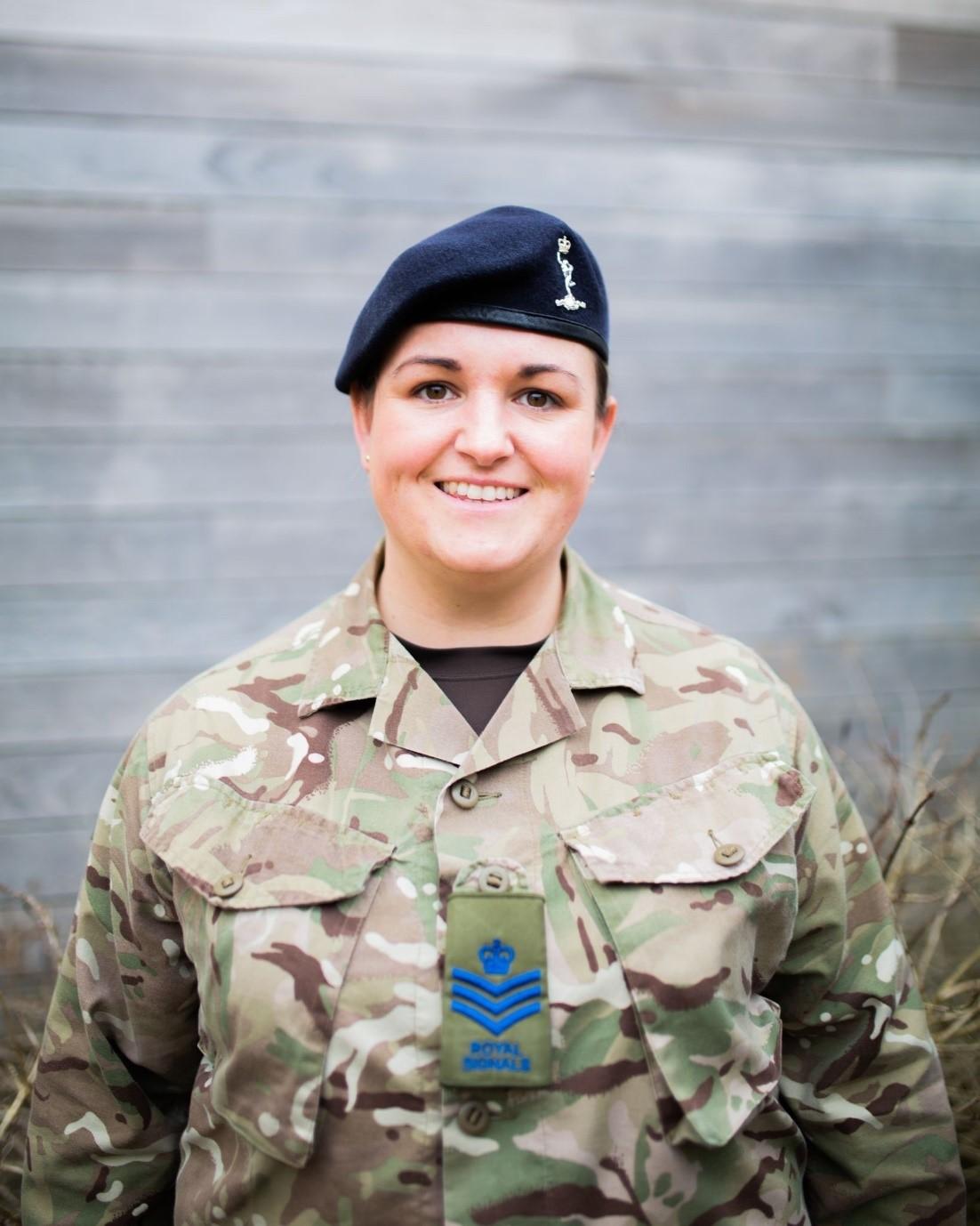
LCpl Abbie Chetwynd (pictured above)
In 2013 I started my career in the British Army. I joined at 16 and went to the Army foundation college Harrogate where I spent the next six months learning how to be a soldier before moving onto Blandford for my Phase two training as a Royal Signals Operator – now a Network Engineer. I’ve always had an interest in fixing things and making them work, so being in a very hands on and technical job has been ideal. In the past two years I’ve started doing more cyber related projects and have won a number of team competitions, and then gone on to compete in much bigger international competitions against other nations.
During my career, I have been fortunate enough to have deployed around the world whether that be on exercise or operations. I’ve been to countries that I would have never imagined going to such as Kenya and Oman.
I’ve been able to do adventurous training in San Diego and even gaining qualifications in rock climbing and taking part in expeditions. As well as all this, being in the Army has allowed me to take part in a wide variety of sports such as volleyball, swimming, snowboarding, diving and many others. Like every job it has its pros and cons, but the opportunities that I have been given and the experience and life lessons I have gained are unmeasurable.
SSgt Michelle Steel
For the majority of my Army career I have been employed within Squadrons doing tactical communications working with different radio systems. Mainly employed within workshops, Sqn Ops and Regimental Training Wings I was completely bewildered when I was assigned to 233 Signal Squadron as a Level 3 ICS Engineer. This was such a daunting prospect as I was terrible with computers! With 233 being such a technical Squadron, I knew I would have an uphill battle from day 1, I felt like I was going to my very first unit all over again. Each day I sought out experienced engineers to sit with and learn, upskilling myself bit by bit, one day at a time. Within a year I had taken over as the technical lead for the applications teams and now two years down the line I am now the Army CyISOC Lead Engineer for OpNET Red & Black, a new computer system brought in to replace many other systems across Defence. One of my Foreman’s once told me ‘You can only aspire to be what you can see’. I have been very fortunate to have some great female role models throughout me career. Whether it be seeing how they juggle the work/family balance or the strive to always be the best. They have helped to guide and push me to achieving things I would have never considered. Now a Defence Instructor, Corps Ladies Badminton Captain, Army Smallbore Shooting Captain, Lead Engineer and most importantly wife and mom of 2 beautiful children I hope I can be an inspiration for future generations to come.
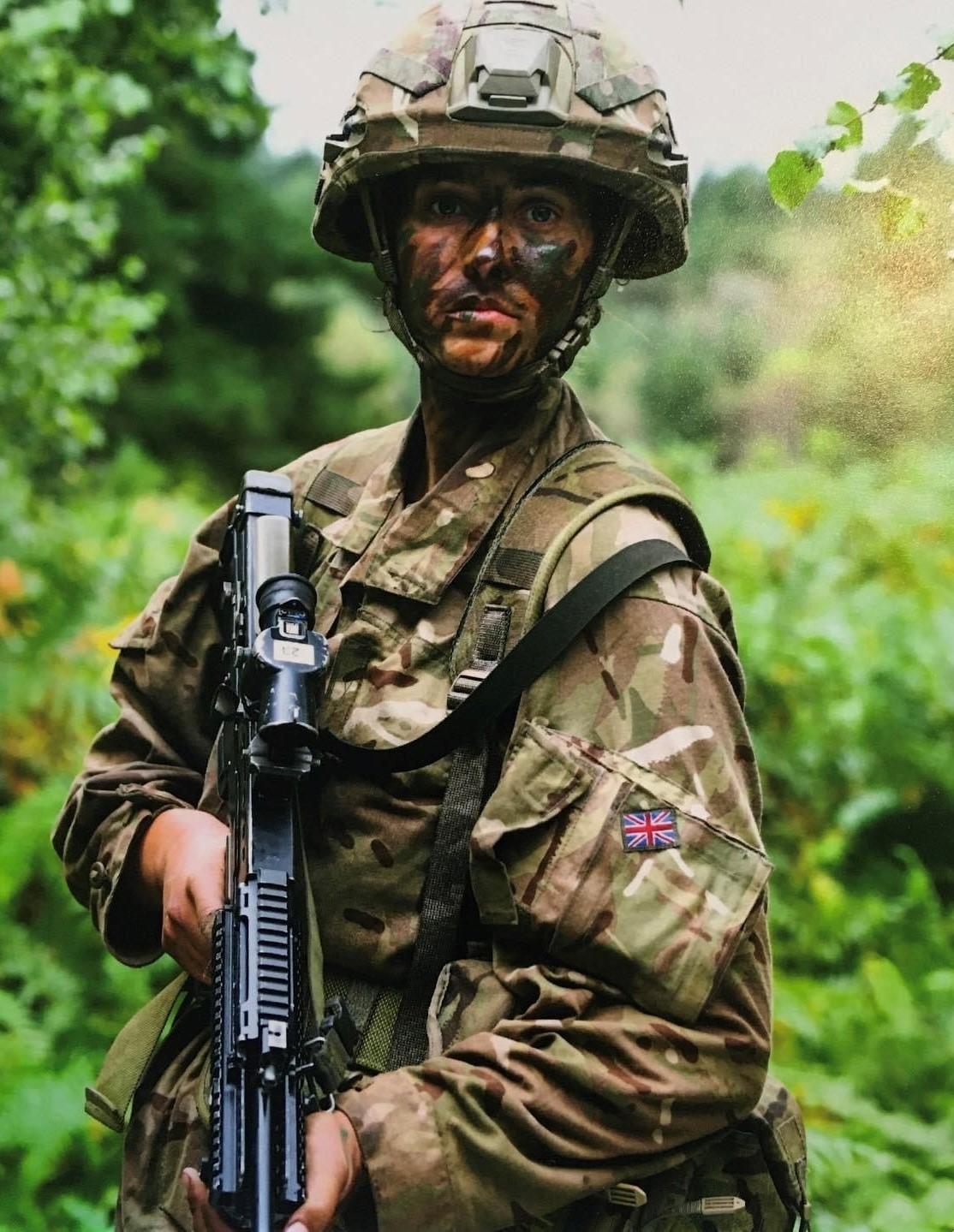
Sig Amelia Green
Since joining the Royal Signal Reserves, I haven’t regretted the decision a moment. After deciding to leave my job as a Maths Teacher and apply for a Masters’ degree, I tentatively applied in autumn 2020 still very much in two minds as to whether the Army would be for me. After completing Phase 1 training at Pirbright in September I immediately made contacts for some of the other opportunities that the Army has to offer. It started with completing CPSA Shotgun Skills 1&2 through the Royal Signals and then competing in the Army Clay Shooting Championships. After finishing 2nd in the ladies’ section, I have been selected for the Army Female Development Squad for this year and am the female rep for the corps. Through the Royal Signals Mounted Sports Club, I had the opportunity to ride in the Military Cup at the Cotswold Team Chase which we won and then in November represented the Army Fencing Team in the Inter-Services Championships. I have also been given the chance to go on the regimental ski trip which I’m really looking forward to. In the civilian world I am studying the Mathematics of Cryptography and Communications at Royal Holloway University. It’s incredibly interesting looking at how ciphers and cryptographic systems are constructed, as well as looking at the mathematical principles of how to break them. I’m not quite sure of my next steps career wise but know that the skills that I am gaining through the Army Reserves will be valuable.