An event of the scale of HM The King's coronation takes place so rarely that it is a learning experience for everyone. Over 6000 military personnel from the UK and Commonwealth countries will take part in the parade this weekend, with their actions over many hours synchronised by troops from 10 Signal Regiment. But in the last 70 years since HM The Queen's coronation in 1953, the technology used to coordinate the parade has changed beyond recognition. Well, for the most part.
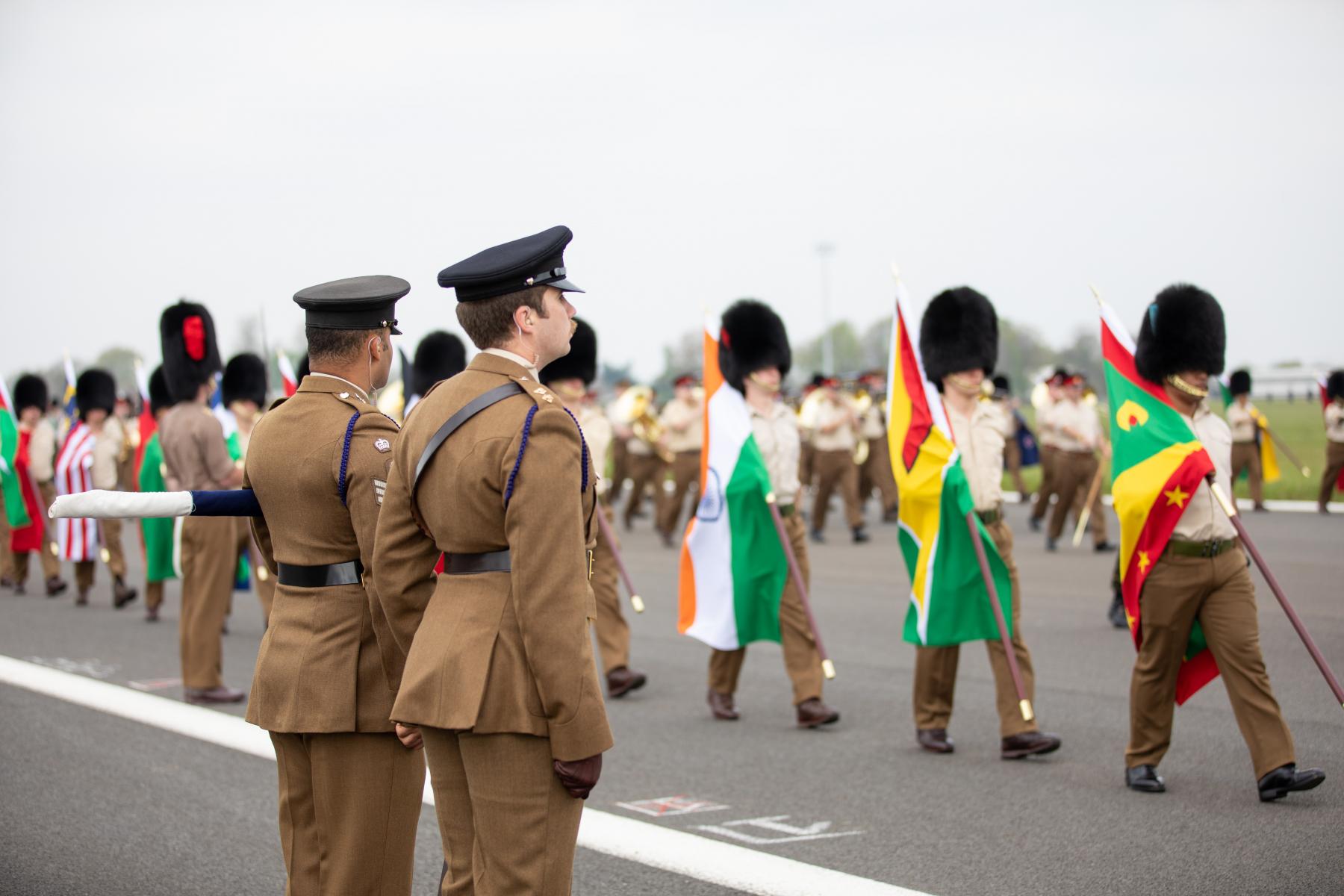
This weekend, as most people relaxed at home over the Bank Holiday, those taking part in Operation Golden Orb, as the coronation parade is known, conducted a full rehearsal at the RAF Odiham in Hampshire, one of the few Military locations big enough to host the dry run. The Royal Signals detachment were responsible for fitting and testing the discrete communications devices to all the key people, including the man coordinating the whole event: Garrison Sergeant Major WO1 'Vern' Stokes of the Coldstream Guards. These tiny, secure radios, almost impossible to see once the uniforms are donned, are essential for maintaining control and the precise timing that defines British military events like this. Other Signallers manned the Ops Room, the control centre that coordinates different parts of the parade, keeps those in charge informed of changes and records the transmissions for posterity.
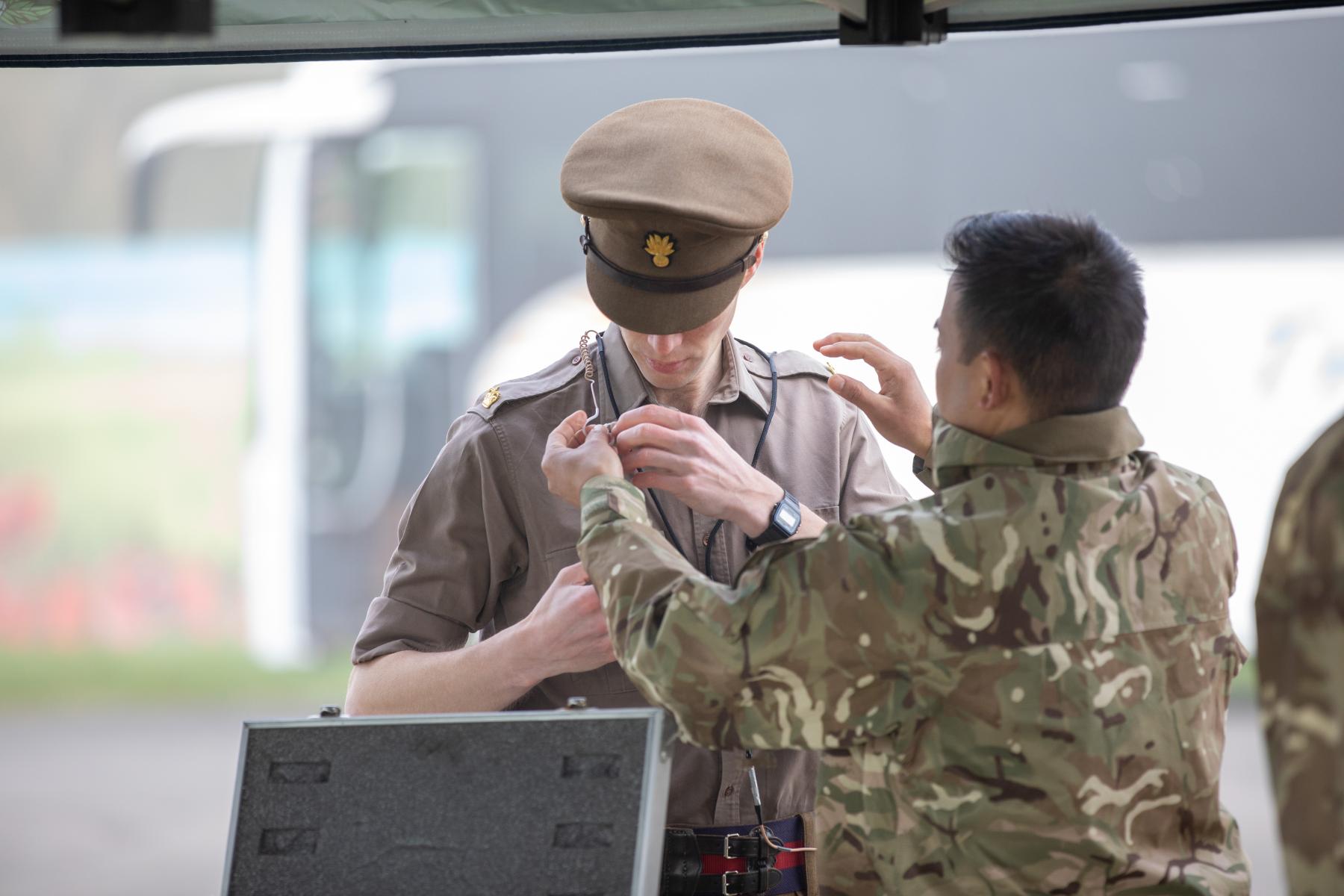
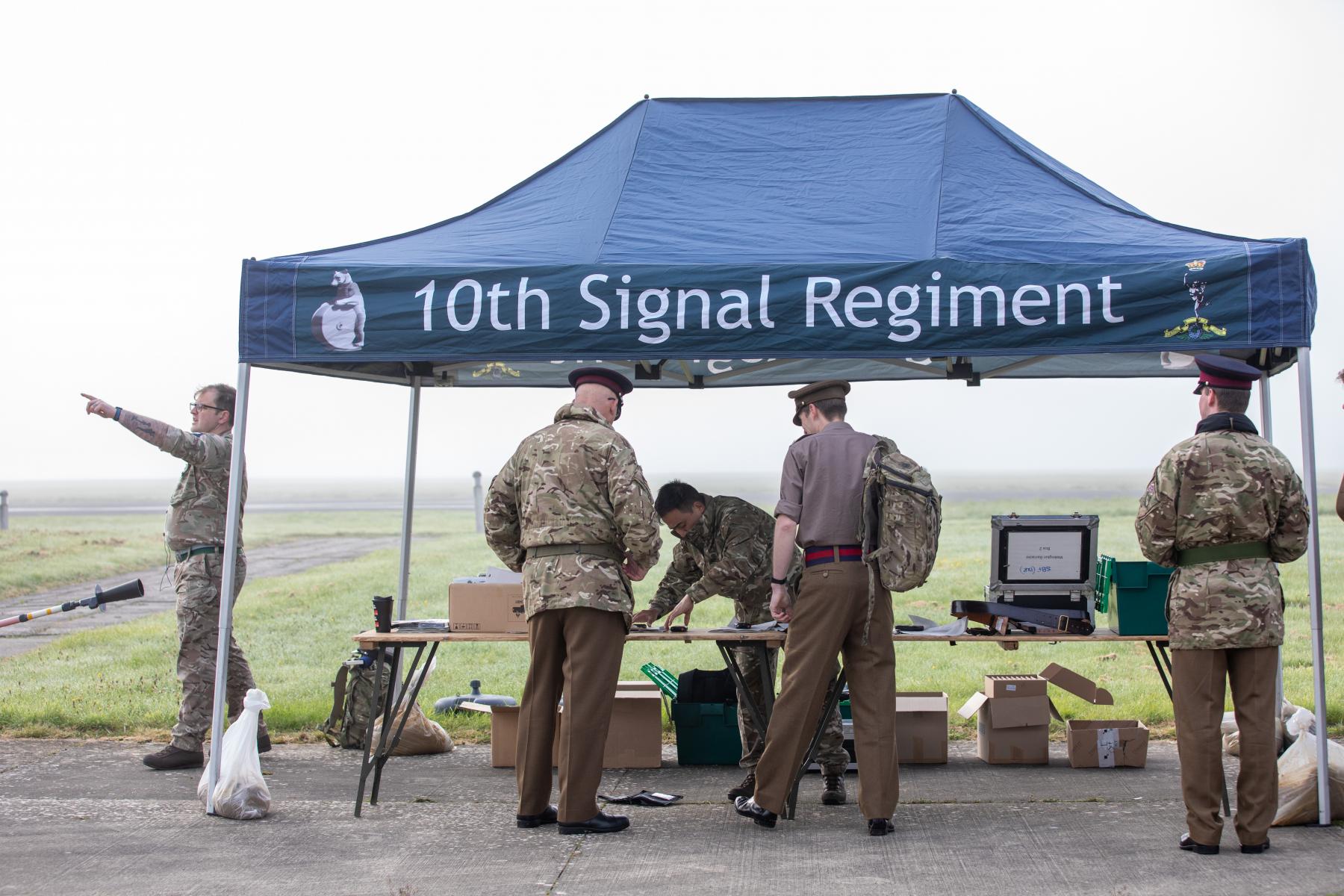
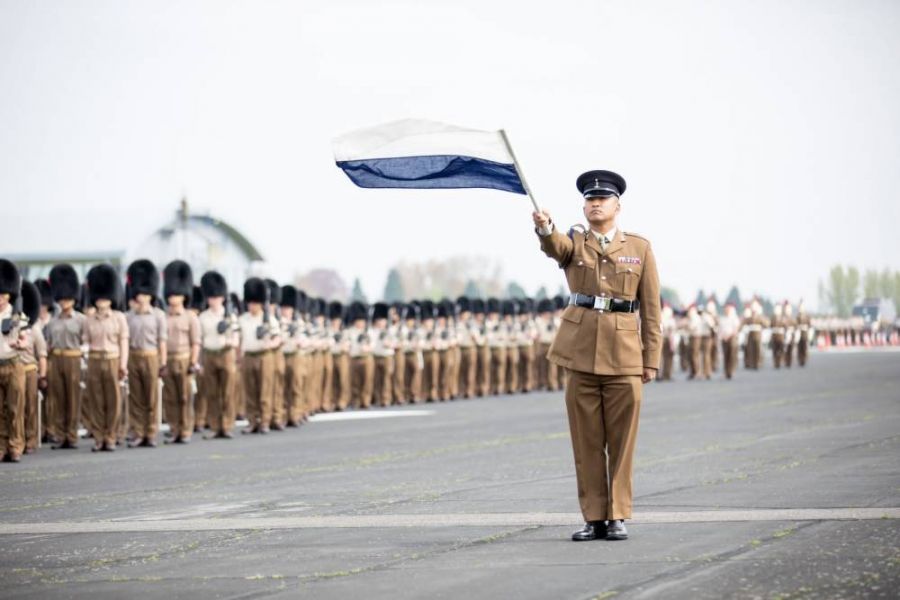
But for other members of the Royal Signals, their methods of communication are those which would be recognisable to those first members of the Corps when it was formed over 100 years ago. Men like WO2 (SSM) A Gurung, the Westminster Abbey Operator, use flags to signal when different elements of the parade take place and communicate to the artillery parties when to fire their gun salutes.
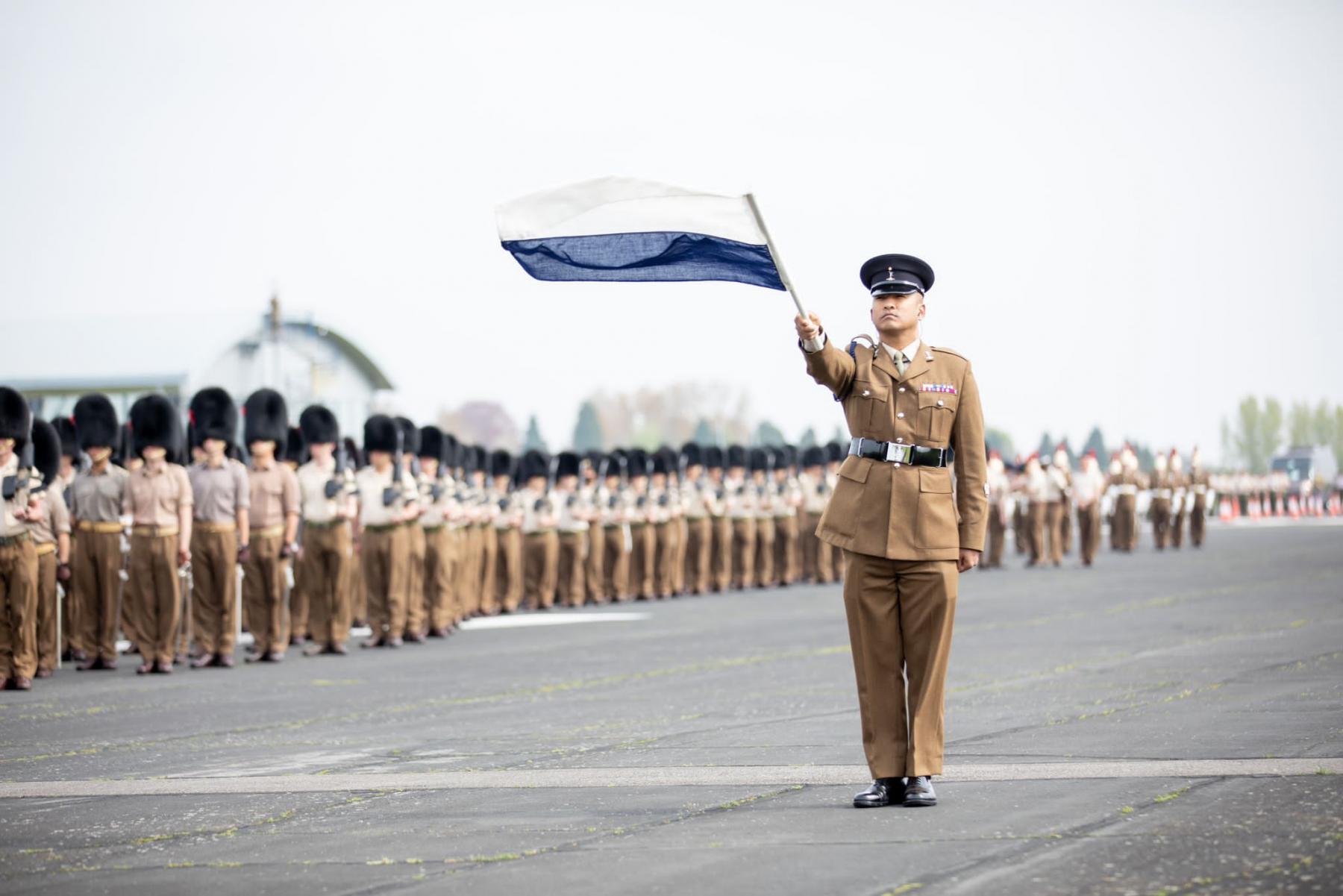
Everyone who took part in the rehearsal gained a huge sense of achievement and felt the anticipation build for next weekend. 'Every practice we do gives us confidence,' said SSgt Mike Harrison, the Mall Flag Operator. 'This will be an occasion that we all remember for the rest of our lives, and to play a central part in it will be one of the highlights of my military career.
Photo Credit Cpl Mani Gurung