Airborne signallers are testing state-of-the art communications equipment that will give the British Army’s global response force a battle-winning edge.
Through Project Cain, 16 Air Assault Brigade is receiving a new tactical communications system fit for the future battlefield. The system will provide robust voice and data links running all the way from paratroopers on the frontline to the brigade commander, who could be in an ops room thousands of miles away.
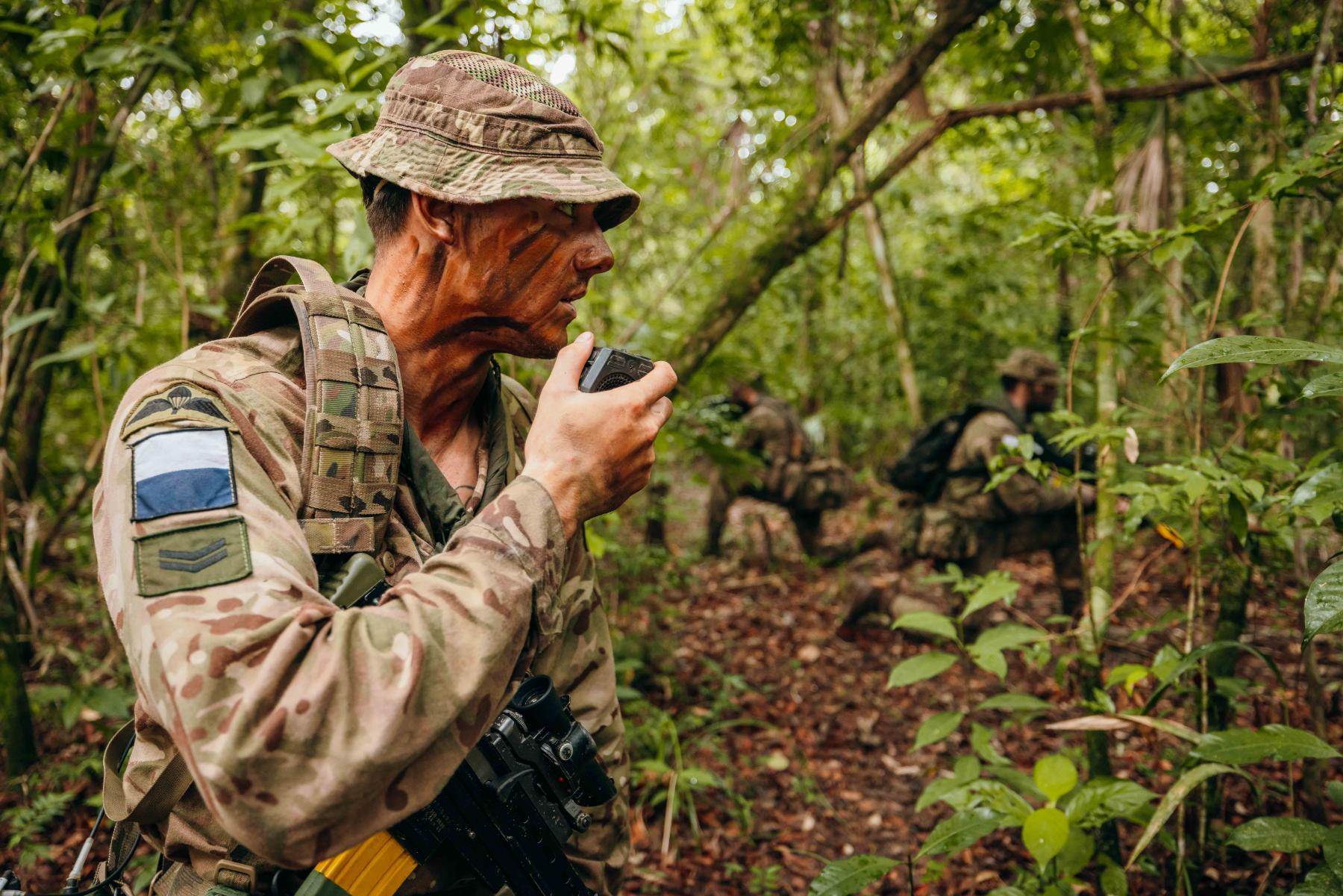
As the brigade’s communications experts, 216 (Parachute) Signal Squadron tested the equipment in Belize. The jungle’s heat and humidity, thick vegetation, and wildlife make it one of the most demanding environments for electronic equipment and soldiers to operate in.
The system is based around MPU5 radios on a mobile ad-hoc network (MANET), a mesh network which has a ‘self-healing’ ability to stay online if communication links are disrupted. Soldiers equipped with a tactical smartphone can send messages, pinpoint their and enemy positions on the map, and relay video and imagery to commanders.
Better communications between the frontline and headquarters in the rear leads to improved understanding, quicker decision making, and better planning, giving battle-winning momentum.
Major Ben Salero, Officer Commanding 216 (Para) Sig Sqn, said the new equipment would “close the gap between the tactical edge and commanders”.
“Communicating over a MANET network means carrying less kit on the person but being able to do more communications by voice and data,” he said. “It will make the brigade more lethal by improving situational awareness.
“A MANET network has open architecture, so we can communicate better with our allies by giving them access to our network, and integrate information from other systems, such as drones and electronic warfare equipment, and feed that into a battle picture that everyone can see.”
16 Air Assault Brigade, which is held at very high readiness to respond to global crises, is set to receive the new system in early 2026.
The jungle provides a stern test for communication systems as the dense and moist vegetation absorbs radio waves and limits line of sight transmission. Also, like any electronic equipment, radios require careful handling and maintenance to protect them in the hot and humid conditions.
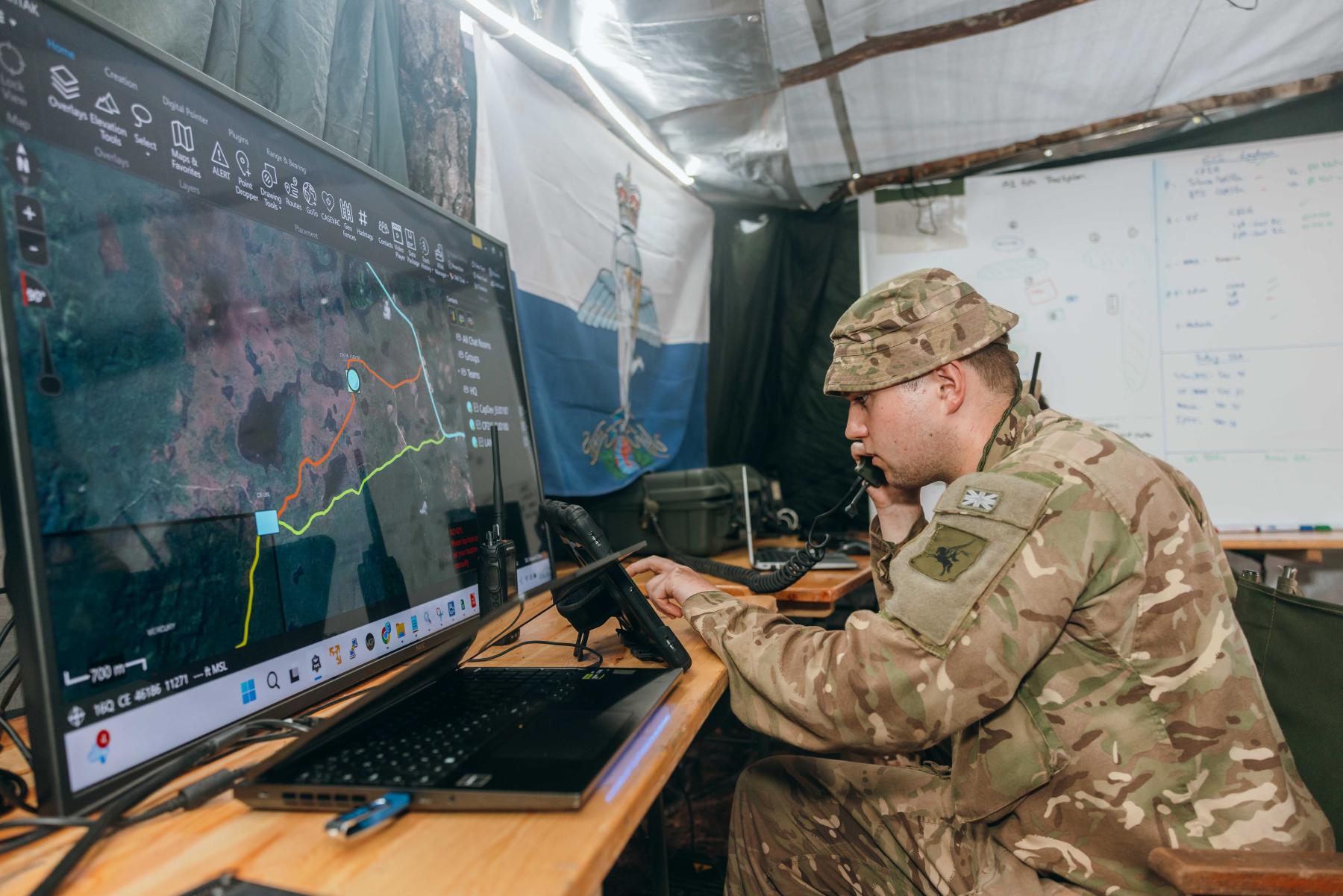
Maj Salero said: “We’ve been working with the radios to understand how to use them to best suit our needs, and testing kit in the jungle will give us confidence that it will work wherever we want to use it.”
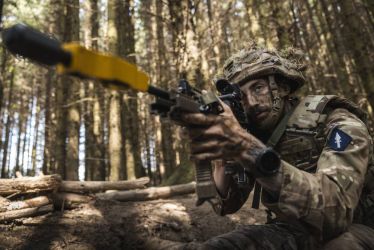
Alongside their equipment testing, the signallers have been learning how to survive and fight in the jungle. The training started with learning how to build shelters, find water and navigate, then live fire battle drills and a four-day exercise that brought everything together.
Corporal Harry Umpleby, an information systems engineer, said that to operate in the jungle “you need to very quickly accept being uncomfortable, and just get on with it”.
“When you’re under the jungle canopy, it’s a different world,” he said. “Visibility and movement are restricted by all the trees and it’s hot and wet, with all sorts of wildlife. You’ve really got to be on top of looking after yourself and your kit, and it’s an experience that I’ve learnt a lot from.
“Doing our job as signallers is an extra challenge, and we’ve learnt a lot about the capabilities of the different equipment we’re testing.”